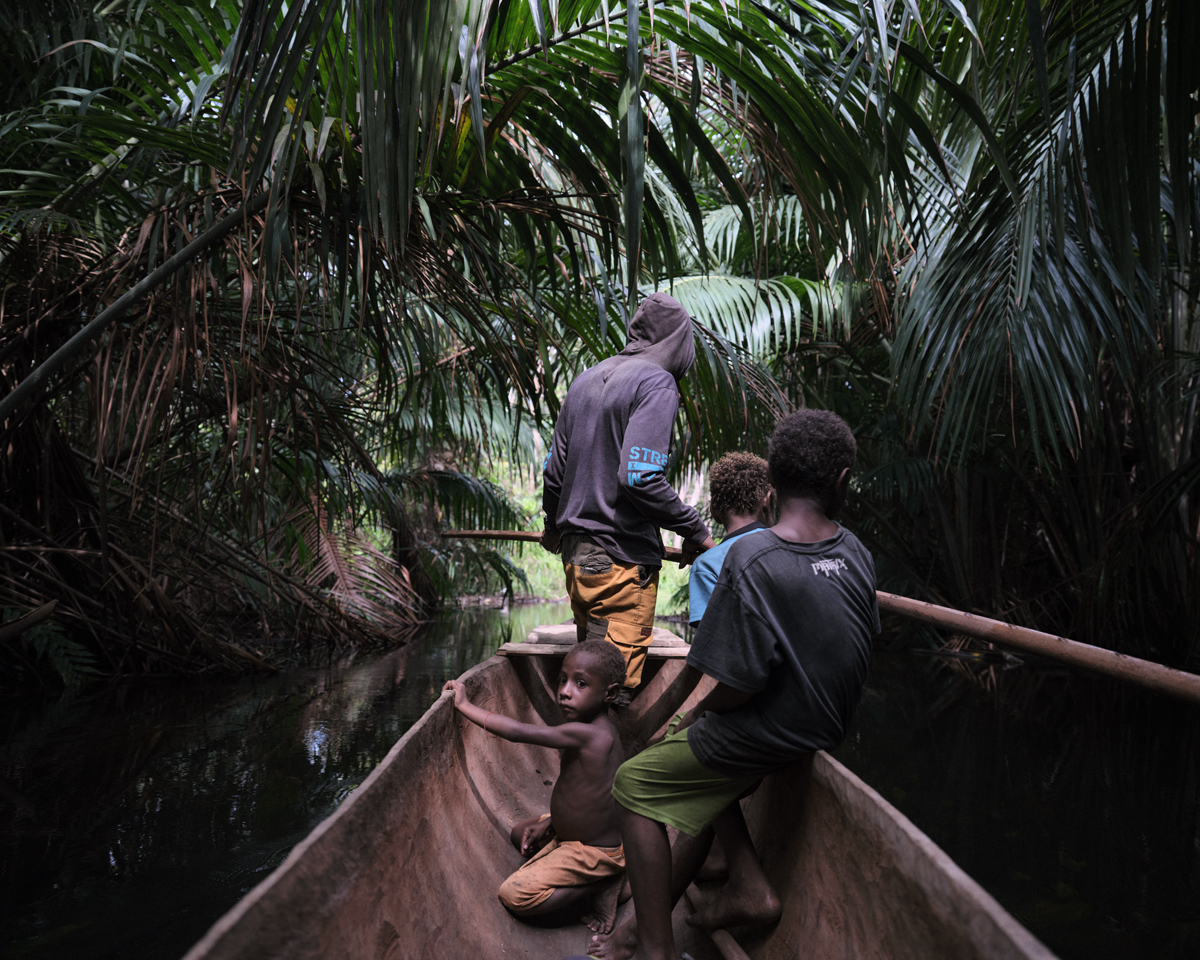
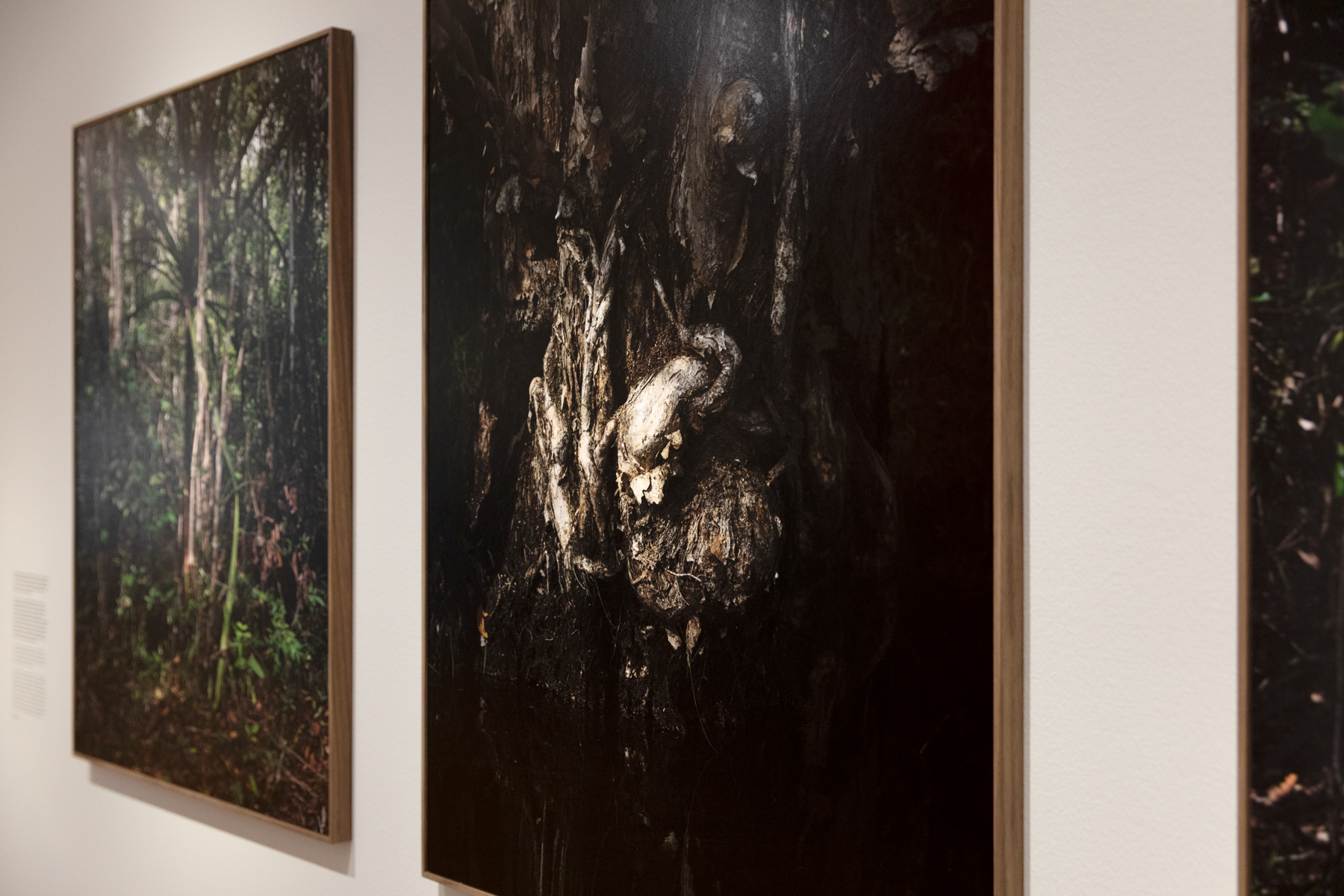
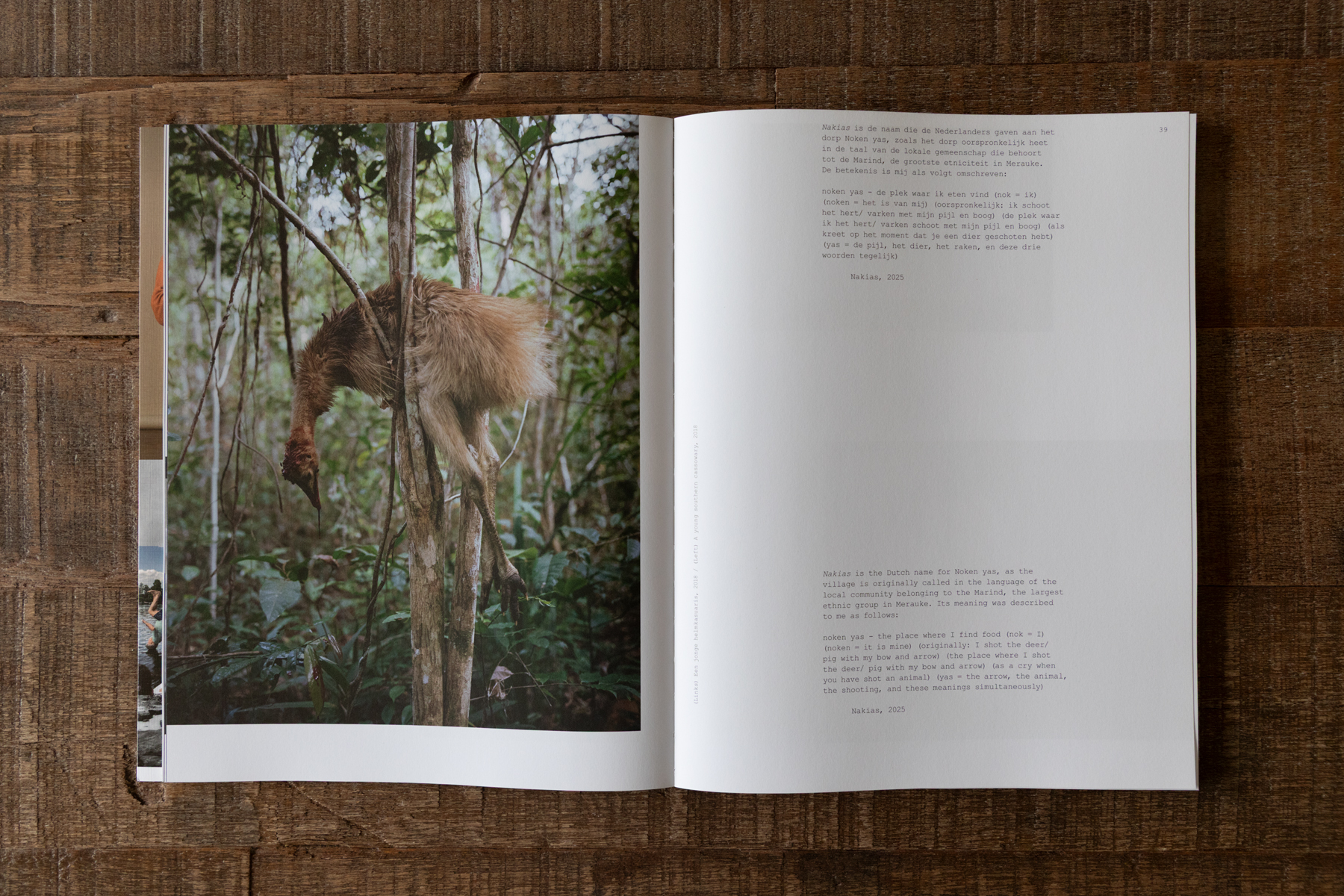
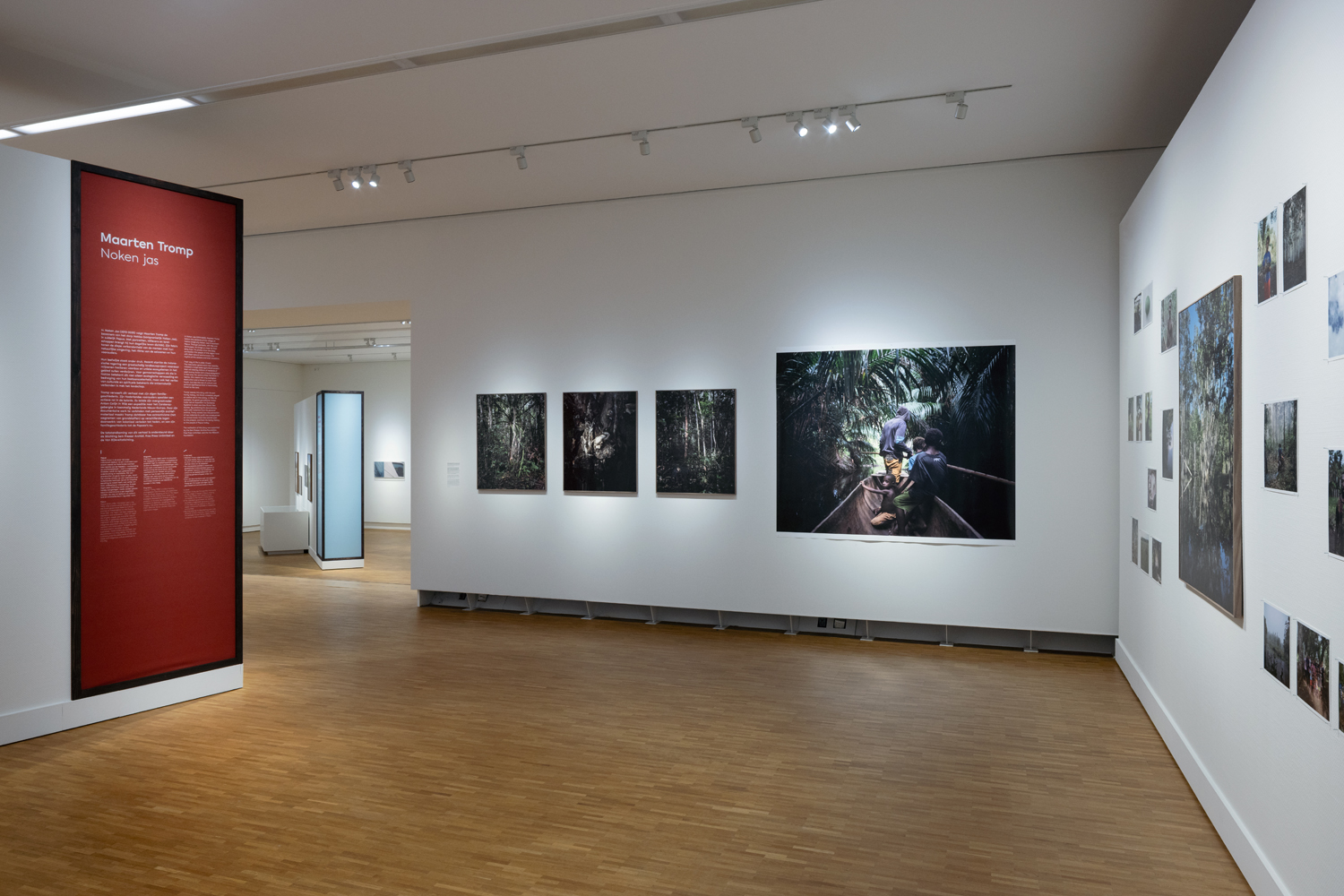
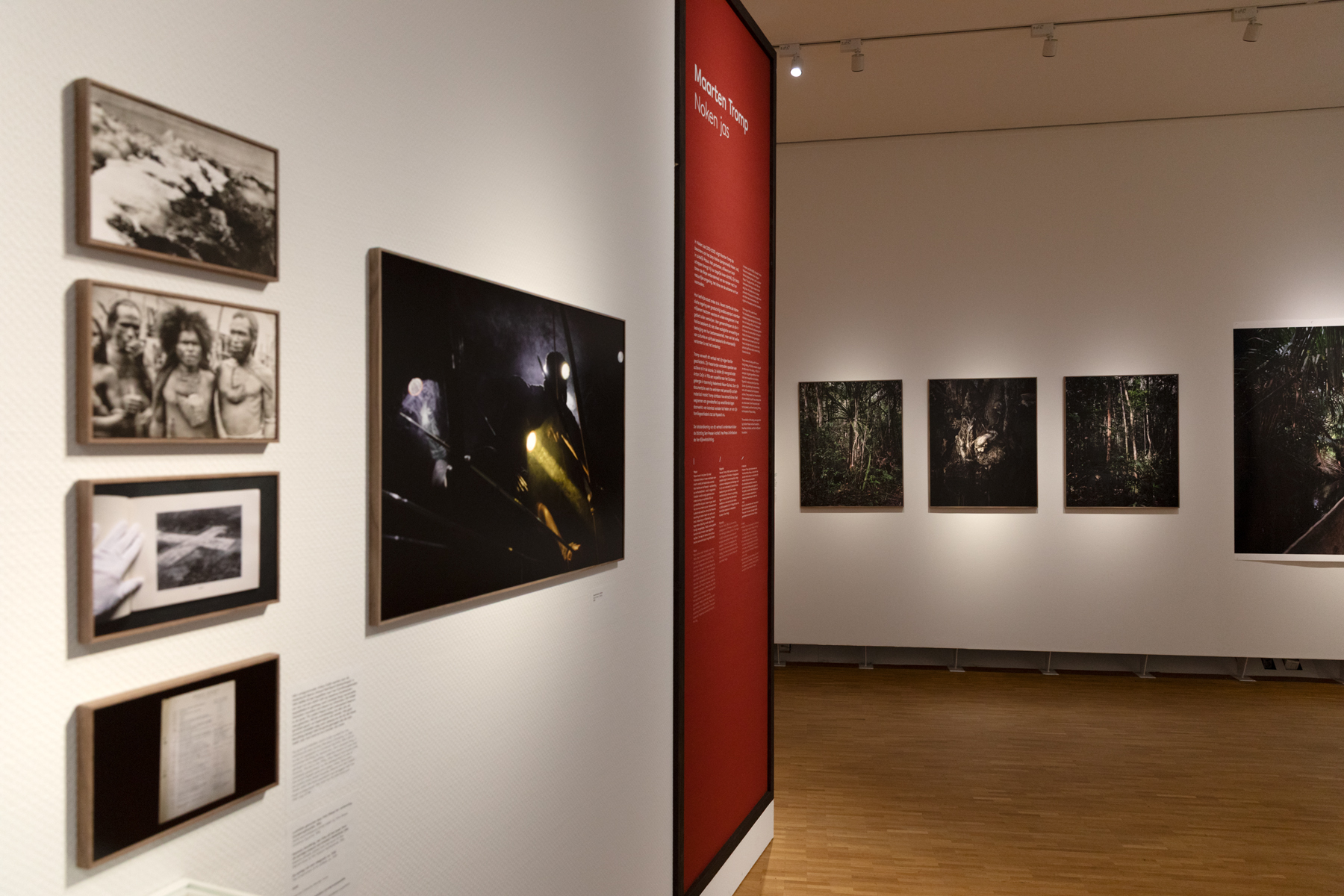
In the long-term project Noken yas, Maarten Tromp follows the residents of the village of Nakias (originally Noken yas) in South Papua, Indonesia. Against the backdrop of colonial exploitation, his photos show the deep connection the people have with the forests, the rhythm of the seasons and their ancestors. Through portraits, still lives and landscapes, he brings us closer to their daily lives.
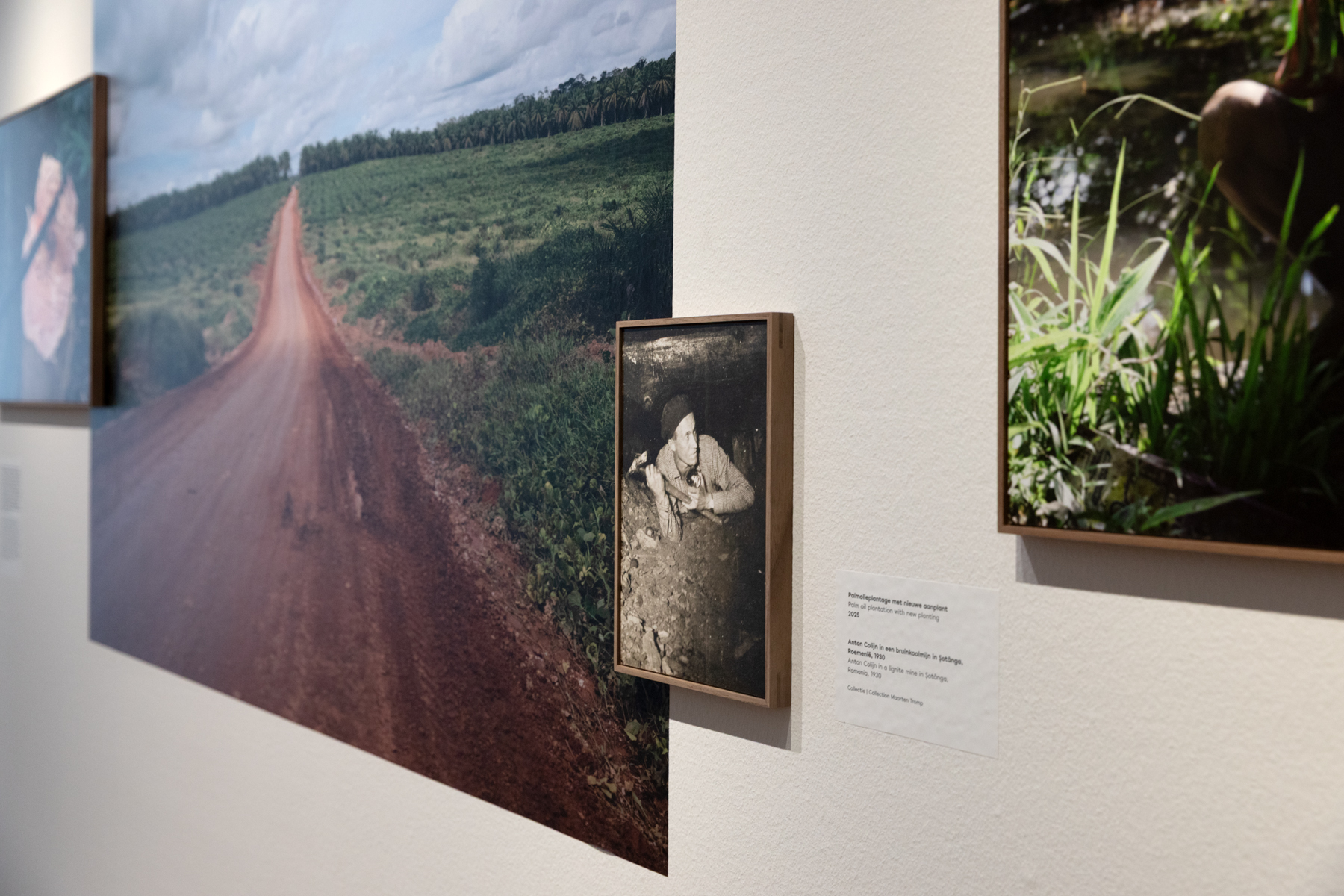
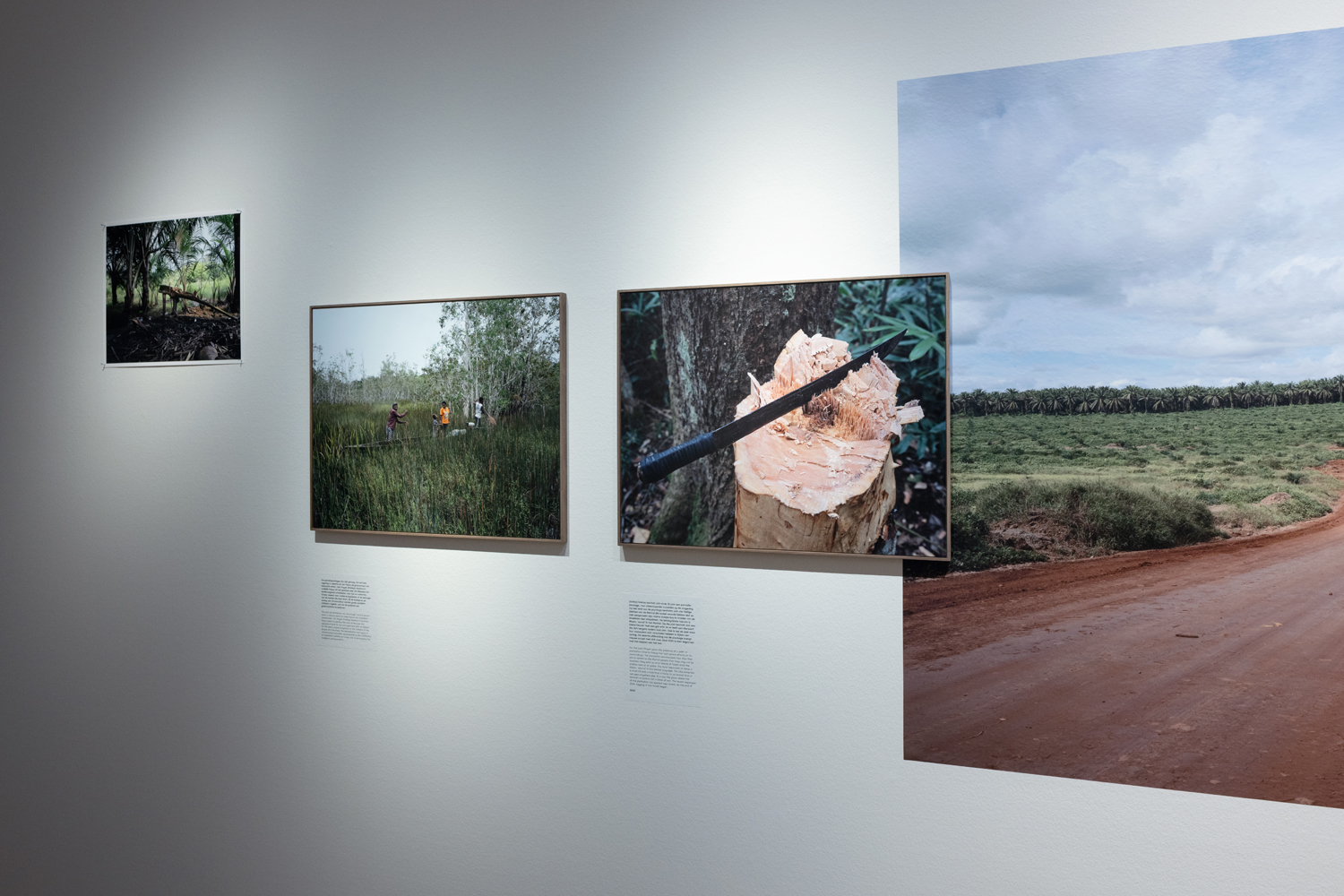
Their way of life is under threat. The Indonesian government has recently initiated a large-scale agricultural project that will destroy millions of hectares of peat swamp forest and other unique ecosystems in the area. For communities like those in Nakias, this means not only ecological destruction and a threat to their livelihoods, but also the loss of cultural and spiritual significance that is inextricably linked to the land.
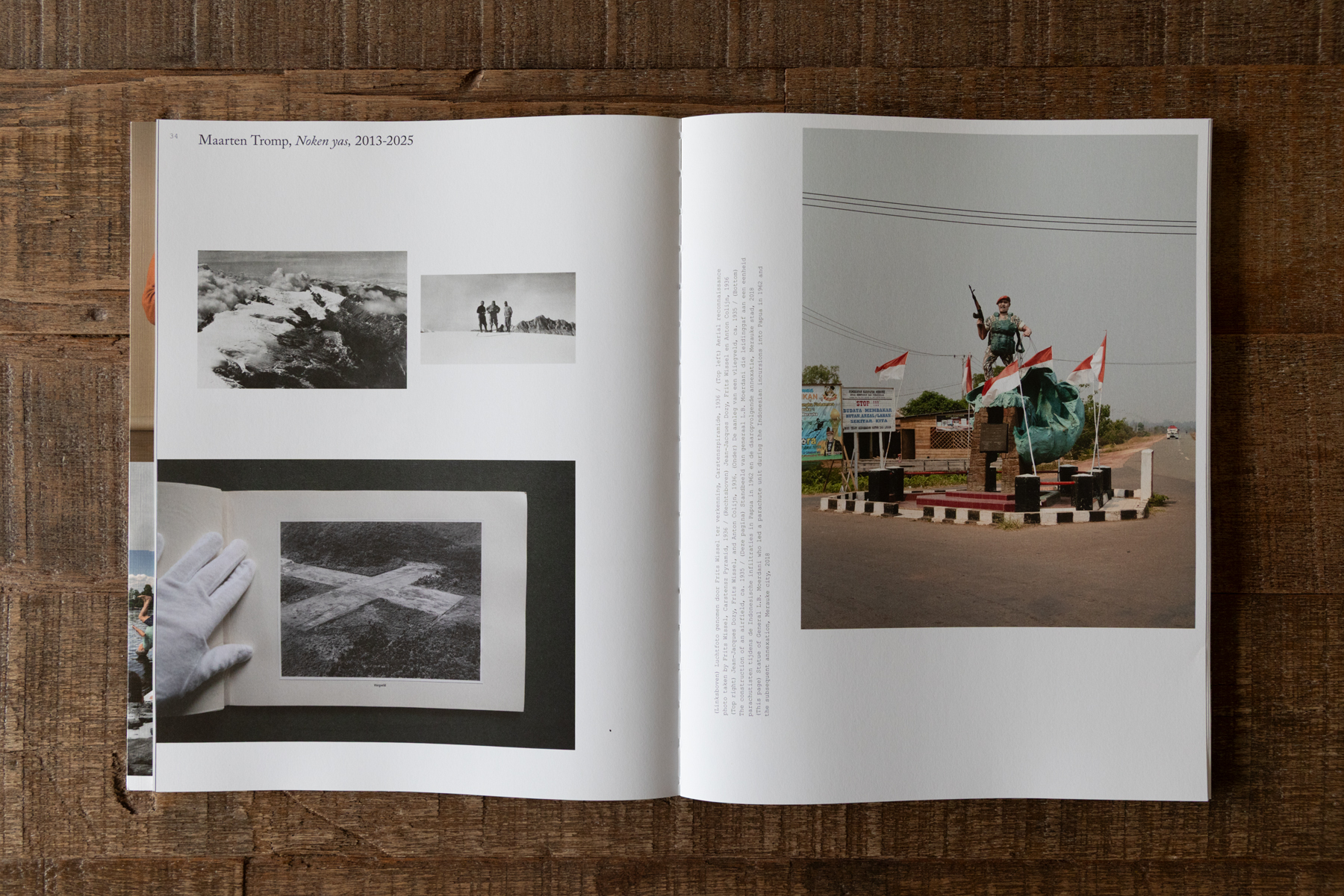
Tromp weaves this story with his own family history. His Dutch ancestors played an active role in the colony. As a soldier in the Royal Netherlands East Indies Army and as a prominent politician, his great-great-grandfather Hendrik Colijn, made an indelible mark on the Dutch New Indies, also resulting in numerous victims.
In 1936 his great-grandfather Anton Colijn led an expedition to the Carstensz Pyramid in what was then Dutch New Guinea. A few decades later this resulted in the development of the Freeport mine, nowadays still one of the biggest gold and copper mines in the world. By combining his documentary work with materials from his family archive, Tromp reveals how extractivism continues to have an impact at various levels: from the colonial past to the present, and from his family history to the people of Papua today.